
The Value of Peer Assisted Study Sessions (PASS) in Supporting Transition, Belonging and Student Success
November 17, 2026
Emmanuella Lamptey# and Samina Naseeb#1
#School of Biological Sciences, The University of Manchester, UK
Corresponding author email: samina.naseeb@manchester.ac.uk
Emmanuella Lamptey is a final-year MSci Biochemistry student and was one of the School of Biological Sciences PASS Coordinators in 2025–26, supporting PASS Leaders and helping to shape the experience of first-year students. Samina Naseeb is a Lecturer, Programme Co-Director for Biotechnology and Academic Lead for PASS in the School, with a particular interest in inclusive learning, student belonging and the wider student experience. Drawing on their student and academic perspectives, this piece reflects on how PASS supports students’ transition to university, builds confidence and connections, and helps create a stronger sense of belonging within their academic community.
Peer Assisted Study Sessions (PASS) support students’ transition to university by creating opportunities to learn with and from their peers, building confidence, fostering meaningful connections and encouraging students to support one another as they navigate university life. Drawing on the principles of collaborative learning and students-as-partners approaches, PASS enables students to deepen their understanding of their subject while developing a sense of belonging within their academic community.
PASS have long been recognised as an effective approach to supporting student transition and academic success in higher education. However, their contribution extends far beyond helping students understand course content or prepare for assessment. Through regular interaction with peers, PASS encourages students to become active participants in their own learning and contributors to the learning of others. Research has shown that peer-learning environments can create opportunities for students to engage more openly with ideas, ask questions in a supportive setting, and develop the confidence to take greater ownership of their learning.
PASS was first introduced at the University of Manchester in 1995 and was one of the earliest implementations of Supplemental Instruction in the UK. Since then, the scheme has expanded considerably and now operates across multiple disciplines and all three University faculties. Although individual schemes are adapted to suit local contexts, they share a common philosophy: students learn effectively when they have opportunities to learn with and from one another.
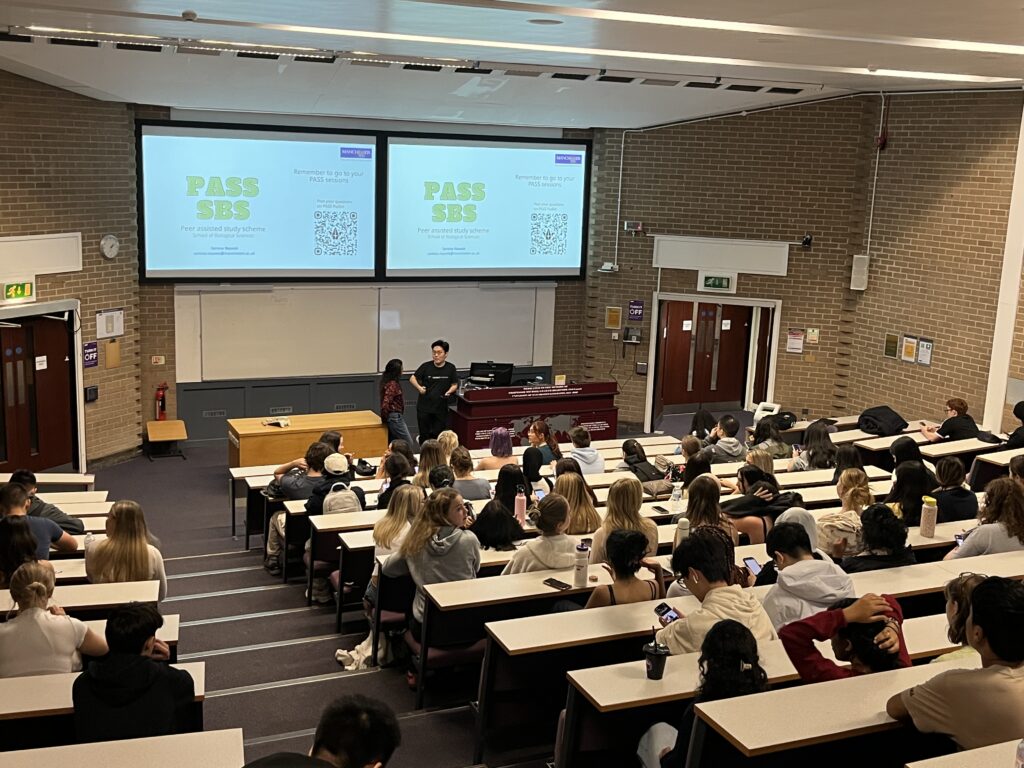
Introduction to PASS session for students in the School of Biological Sciences
In the School of Biological Sciences, PASS supports over 800 first-year students through weekly small-group sessions facilitated and organised by trained higher-year students known as PASS Leaders and PASS Coordinators respectively. Through our involvement in PASS, from academic and student perspectives, we have become increasingly interested in the wider role that peer learning plays in shaping the student experience. While students often initially engage with PASS to help them navigate challenging course content, the benefits they describe frequently centre on confidence, belonging, reassurance and connection with others who have shared similar experiences.
What does PASS look like in practice?
PASS is based on a simple but powerful idea: higher-year students are well placed to support newer students as they navigate the academic, social and practical challenges of university life. In our scheme, PASS Leaders and Coordinators are recruited from higher years of study and receive training to facilitate discussion, encourage participation and support collaborative learning. Their role is not to teach content or provide answers. Instead, they help students work through ideas together, share experiences and develop approaches to learning that work for them. Leaders do not need to have all the answers. Sometimes, just having someone who has recently navigated the same transition and can say “I’ve been in your position before” can make asking for support much easier.
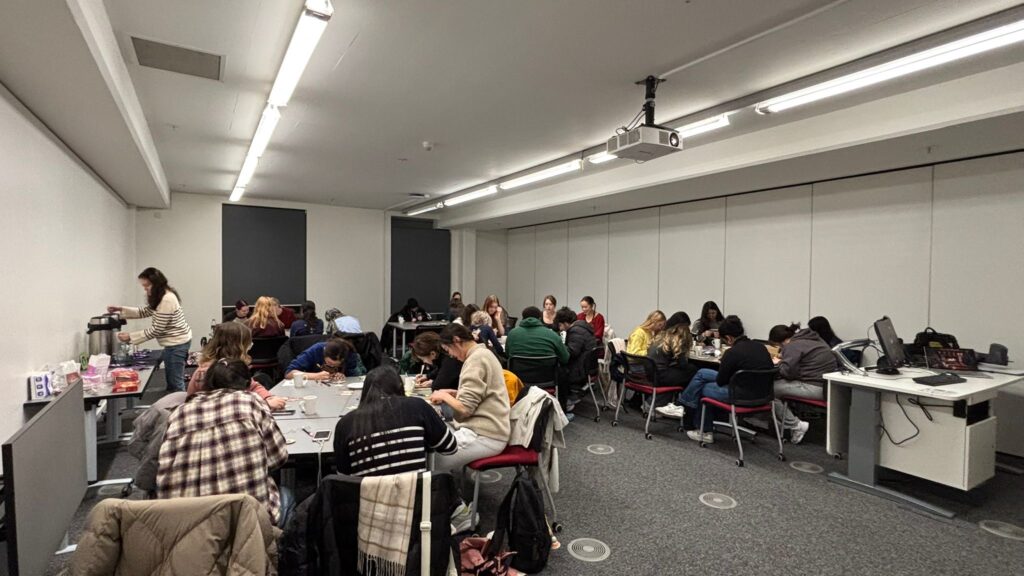
PASS Leaders and Students working collaboratively during a PASS activity
Sessions evolve throughout the academic year in response to students’ needs. Early discussions often focus on settling into university, understanding expectations in higher education and adapting to independent learning. As students progress through the year, sessions may focus on revision approaches, assessment preparation, placement opportunities and effective study strategies. However, conversations frequently extend beyond academic matters. Students discuss topics such as accommodation, managing finances, house hunting, balancing competing commitments and preparing for life beyond the first year, recognising that these issues can have a significant impact on students’ ability to engage with their studies. This flexibility is one of the strengths of PASS. Rather than following a fixed curriculum, sessions provide space for students to explore questions and concerns that are relevant to them at that particular stage of their university journey.
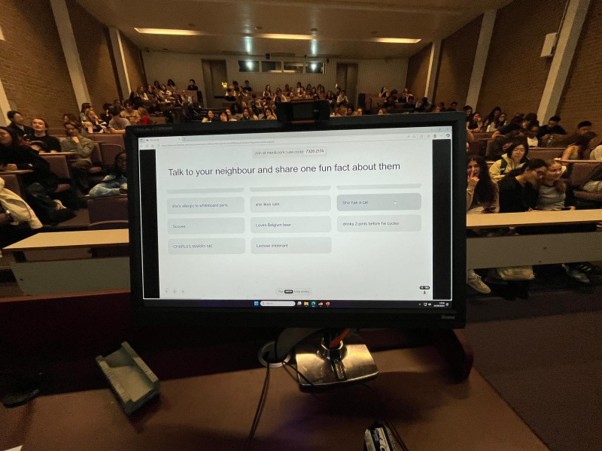
An introductory activity designed to help students connect with one another
Attendance at PASS sessions is optional, and this is an essential part of making it an inclusive form of support. Students can choose to attend for whatever reason is most relevant to them. Some may want help understanding a particular topic; others may come for practical advice, whilst some might even just want to meet other students. Giving students this choice helps PASS remain supportive rather than remedial. By making these sessions both peer-led and optional, PASS creates a low-pressure environment where no student is put off asking for help because of the preconception that their attendance is an indication that they are struggling academically.
Why does peer learning work?
The effectiveness of PASS is closely linked to the principles underpinning peer learning. Research suggests that students often gain particular value from learning alongside peers who have recently completed the same learning journey and can share experiences that feel authentic, relatable and immediately relevant (Topping, 2005; Keenan, 2014). While academic staff contribute disciplinary expertise, peer leaders bring a different type of knowledge based on lived experience of the course, the institution and the challenges associated with adapting to university study. Research on PASS with international students similarly found that peer-led communities can support social integration, belonging, engagement with learning and independent study habits (Chilvers, 2016).
This distinction is particularly important during the first year of higher education. Students are often required to navigate new academic expectations, unfamiliar learning environments and greater personal responsibility. Conversations with peers who have successfully managed these transitions can help students better understand what is expected of them, normalise challenges and reduce uncertainty.
Importantly, PASS is not about providing information that students cannot access elsewhere. Universities already offer extensive academic resources, guidance materials and support services. The value of PASS lies in creating opportunities for discussion, reflection and shared problem-solving with the peers. Students are able to test ideas, explore different approaches and learn from the experiences of others in ways that are difficult to replicate through more traditional support mechanisms.
Supporting the wider student experience
One of the most interesting aspects of leading PASS has been observing how closely students’ academic experiences are connected to other aspects of university life. From a student’s perspective, academic, personal and social challenges are often experienced as part of the same transition. Concerns about finances, accommodation, friendships, wellbeing or managing competing responsibilities can all influence confidence, engagement and academic performance.
Because PASS provides a regular forum for discussion, it often becomes a place where students can raise questions that they may not feel comfortable discussing elsewhere. Some are practical, such as understanding the accommodation market or preparing for placement applications. Others relate to wellbeing, workload management or balancing academic commitments with other responsibilities. In many cases, students simply benefit from hearing how others have approached similar situations.
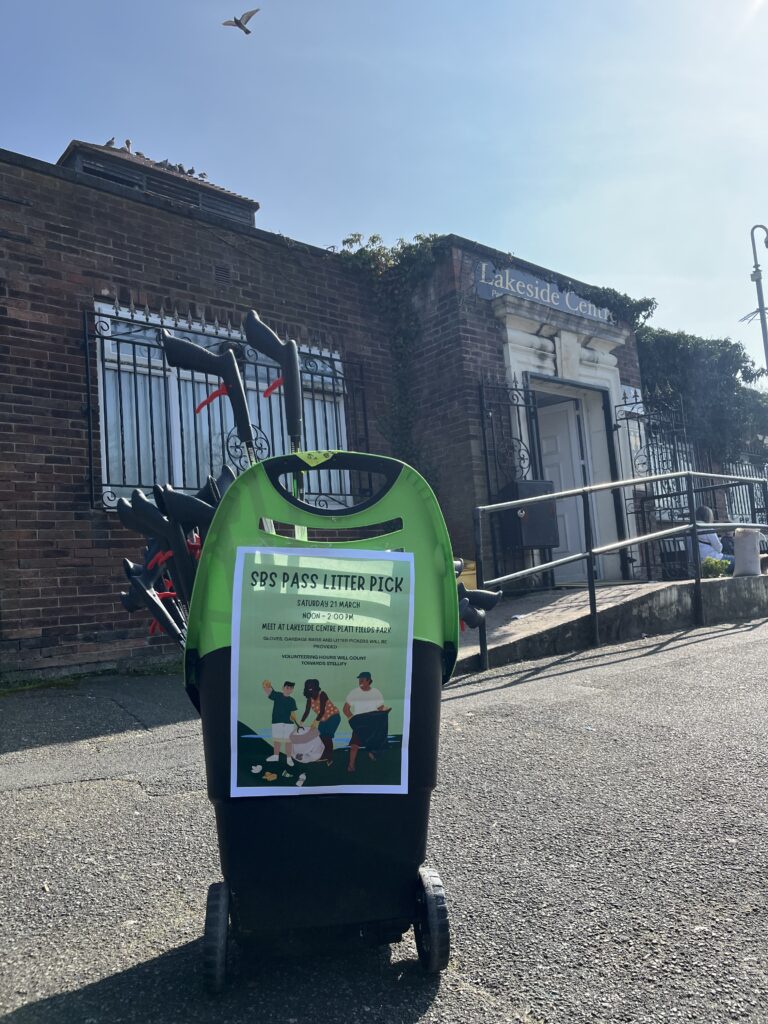

PASS students taking part in a community-focused group activity
This broader role aligns with increasing recognition within higher education that student success cannot be understood solely through academic outcomes. Creating opportunities for students to feel supported, connected and informed is an important part of helping them thrive during their time at university. Sector-wide evidence also links student-led peer learning and support with community, belonging, academic confidence and positive outcomes across the student journey (Lochtie and McConnell, 2024).
Students as partners and leaders
A defining feature of PASS is that students are not passive recipients of support. They play an active role in shaping the learning environment and contributing to the development of the scheme itself.
Within the School of Biological Sciences, PASS Leaders and Coordinators regularly participate in debrief meetings, reflective activities and ongoing discussions about student experiences. These conversations provide valuable insight into emerging challenges, areas where students may need additional support and opportunities for enhancement. Their perspectives often reveal issues that may not be captured through formal feedback processes alone.
This reflects wider students-as-partners approaches within higher education, where students are recognised as active contributors to teaching and learning rather than simply consumers of education. PASS is shaped by students’ needs and, as such, continuously evolves. Each new cohort brings its own experiences and challenges, allowing the next generation of PASS Leaders to build on the feedback and advice they received themselves. What worked well for one cohort can be adapted, refined or expanded for the next, allowing the programme to respond to the changing needs of students. Through PASS, students help create the very communities that support future cohorts, creating a cycle of partnership and shared responsibility.
Benefits beyond the first year
Although PASS is primarily designed to support first-year students, its impact extends well beyond those attending sessions. Research has consistently highlighted the benefits of peer-learning schemes for student leaders, including the development of communication, leadership, teamwork and facilitation skills.
This is reflected strongly within our scheme. PASS Leaders and Coordinators frequently describe increased confidence in leading discussions, supporting groups and working collaboratively with others. Many identify these experiences as valuable preparation for future employment and professional practice.
As one PASS Coordinator reflected:
“PASS really helped me grow in confidence and communication, especially in leading sessions and working with others. I became much more comfortable guiding discussions and supporting students in a way that felt collaborative rather than teaching.”
PASS also creates a community among the students who take on leadership roles. Leaders work towards a shared goal of supporting the next cohort, while learning from one another and sharing their own experiences. For many students, this community extends beyond the PASS sessions themselves and can become an important part of their university experience.
These outcomes highlight an important aspect of PASS that is sometimes overlooked. The scheme does not simply support student learning; it also creates opportunities for students to develop as leaders, facilitators and role models within their academic community.
Why PASS still matters
Higher education has changed significantly since PASS was first introduced at the University of Manchester nearly thirty years ago. Students now have access to a vast range of digital resources, online learning materials and support services. Yet despite these developments, PASS continues to thrive across the University.
Its continued relevance suggests that some aspects of learning remain fundamentally unchanged. Students benefit from talking to one another. They benefit from sharing experiences, asking questions, comparing approaches and feeling part of a learning community. These interactions help students make sense of university life in ways that formal teaching alone cannot achieve.
Leading PASS scheme and working together with student Coordinators and Leaders has reinforced the importance of peer learning as a distinctive and valuable component of the student experience. While the scheme undoubtedly contributes to academic success, its enduring strength lies in its ability to bring students together, create connections and provide opportunities for students to support one another through the challenges and opportunities of higher education.
References
Chilvers, L. (2016). Communities of practice for international students: an exploration of the role of Peer Assisted Study Sessions in supporting transition and learning in higher education. Journal of Learning Development in Higher Education. https://doi.org/10.47408/jldhe.v0i0.366
Healey, M., Flint, A. and Harrington, K. (2014). Engagement Through Partnership: Students as Partners in Learning and Teaching in Higher Education. York: Higher Education Academy.
Keenan, C. (2014). Mapping Student-Led Peer Learning in UK Higher Education. York: Higher Education Academy.
Lochtie, D. and McConnell, C. (eds.) (2024). Student-led peer learning and support. Advance HE.
Omland, M. et al. (2025). Students as Partners in Higher Education.
Topping, K. (2005). Trends in Peer Learning. Educational Psychology. 25(6), pp. 631–645.